What Is Blackland Prairie Clay and Why Does It Matter?
Blackland prairie clay is one of the most challenging soil conditions in North Texas, and Frisco sits squarely in its zone of influence. This dark, nutrient-rich clay formed over millions of years in the ancient seabed that once covered Texas. Unlike sandy or loamy soils that drain predictably, blackland prairie clay is what geologists call expansive clay or black gumbo clay. It swells dramatically when wet and shrinks when dry, creating a constant cycle of movement beneath your home and driveway.
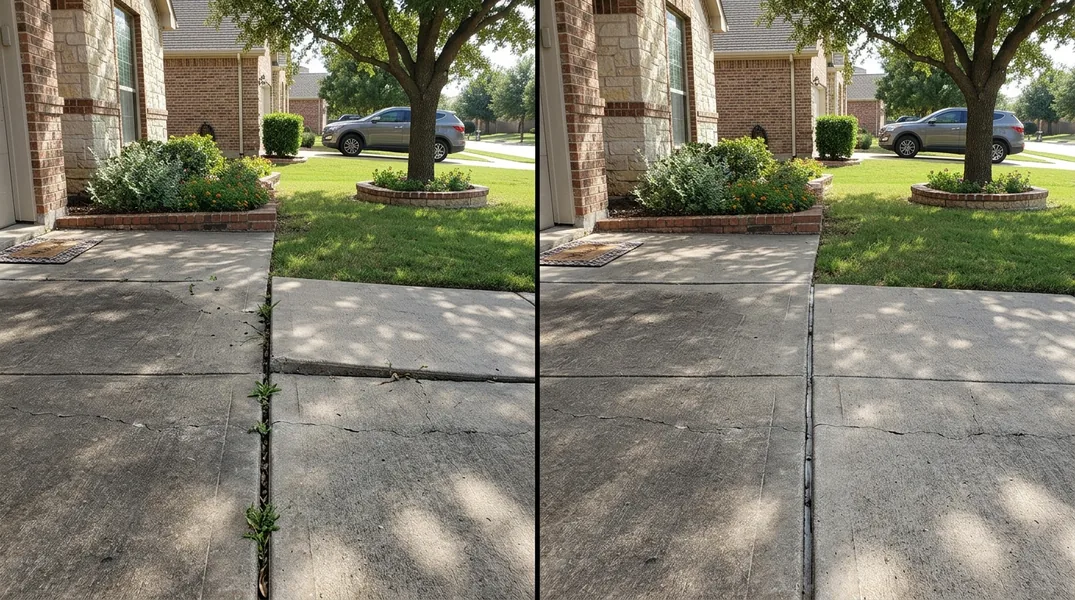
The problem isn't the clay itself, but its behavior. When moisture content changes even slightly, the clay expands or contracts with tremendous force. A driveway or foundation built on this soil experiences vertical and lateral stress that conventional concrete simply cannot accommodate. Homeowners in Frisco often discover this the hard way when cracks appear in driveways that seemed solid just months after installation, or when foundation walls begin to bow and crack.
How Expansive Clay Causes Concrete Damage in Frisco
The damage cycle begins with water. When heavy rains or irrigation saturate the blackland prairie clay beneath your Concrete Driveways, the soil swells upward with surprising force. A cubic foot of wet expansive clay can exert pressure equivalent to thousands of pounds. If your concrete pad isn't properly designed and installed, this upward pressure causes the slab to heave, creating visible humps, cracks, and uneven surfaces. The damage often appears suddenly after spring rains or during wet seasons.
The shrinkage phase is equally destructive. As the clay dries out during hot Texas summers, it pulls away from the concrete foundation, creating voids underneath. Your driveway loses support and begins to settle unevenly. This differential settlement causes the telltale stair-step cracks and broken edges that plague so many driveways in the region. Unlike cracks from normal concrete shrinkage or freeze-thaw damage, cracks caused by expansive clay are often wide, deep, and recurring. Filling them temporarily only postpones the inevitable next cycle of heaving and settling.
Foundation Cracking and Structural Concerns
Your home's foundation faces the same pressures as your driveway, but the consequences are far more serious. Expansive clay foundation cracking can compromise the structural integrity of your entire house. As the clay beneath your foundation expands, it pushes up on the concrete footings and stem walls. This creates horizontal cracks in basement walls, vertical cracks in brick veneer, and separation between walls and ceilings. Interior drywall cracks often follow, and doors and windows may become difficult to open or close.
The real danger is that foundation damage accelerates over time. Small cracks allow water infiltration, which further destabilizes the soil and increases clay expansion. A foundation problem that seems minor today can become catastrophic within a few years if left unaddressed. Geotechnical engineers recommend that homeowners in high-risk clay zones monitor their foundations closely and consider professional evaluation if cracks appear. The cost of early intervention is far less than the cost of major foundation repair or, in extreme cases, foundation underpinning.
Why Standard Concrete Installation Fails in Blackland Prairie Soil
Many concrete contractors who work in areas without expansive clay problems don't understand the special requirements for building in Frisco. They pour standard slabs with standard reinforcement and standard base preparation. This approach works fine in stable soil but fails dramatically in blackland prairie clay. The concrete itself is strong enough, but it has no defense against the enormous forces generated by soil movement beneath it.
Proper installation in expansive clay requires a different strategy. The soil must be properly prepared and stabilized, often with lime treatment or soil replacement. The concrete slab needs thicker reinforcement, better drainage design, and sometimes a floating installation method that allows for some movement. Base preparation is critical. Moisture barriers and proper grading to direct water away from the foundation are non-negotiable. Contractors who skip these steps are essentially gambling with your investment. If you're planning a new driveway or patio in Frisco, choosing a contractor who understands expansive clay is not optional, it's essential.
Concrete Repair and Resurfacing Solutions for Damaged Driveways
If your driveway is already showing signs of damage from blackland prairie clay, Concrete Repair & Resurfacing may be your best option. Simple patching rarely works because the underlying soil problem remains. However, experienced contractors can assess whether your driveway can be salvaged through resurfacing or whether complete replacement is necessary. Resurfacing works well if the base is still structurally sound and the damage is primarily cosmetic or limited to the surface layer. A new concrete overlay bonds to the old surface and provides a fresh, durable top layer while the existing pad remains in place.
For more severely damaged driveways, removal and replacement with proper clay-resistant construction techniques is the right choice. This allows contractors to address soil preparation, drainage, and reinforcement correctly from the start. The investment is higher upfront, but a properly built driveway will last decades rather than failing again in a few years. Frisco Concrete specializes in both repair and new installation in expansive clay conditions. If you're unsure which approach makes sense for your situation, contact us at (469) 473-3854 to discuss your options and get a free estimate.
Protecting Your Concrete Investment: Prevention and Maintenance
The best defense against blackland prairie clay damage is prevention through proper design and proactive maintenance. Ensure that water is graded away from your driveway and foundation. Install gutters and downspout extensions that direct roof runoff at least six feet away from the house. Avoid landscape irrigation that saturates the soil immediately adjacent to your foundation or driveway edges. During dry periods, consider light watering near the foundation perimeter to maintain consistent moisture levels and minimize dramatic shrinkage cycles. These simple steps can significantly extend the life of your concrete.
Regular inspection is equally important. Walk your driveway and foundation quarterly, looking for new cracks, heaving, or settlement. Catch problems early when repair options are still available. If you notice significant changes, have a professional evaluate the situation before damage spreads. For homeowners in Frisco dealing with blackland prairie clay, preventive maintenance and professional oversight are investments that pay dividends. If you need advice on protecting your concrete or if you're concerned about existing damage, reach out to Frisco Concrete today at (469) 473-3854 for expert guidance tailored to your property and soil conditions.
Looking for a professional tree service in Frisco? Frisco Concrete responds fast for all your concrete needs.
Get a Free QuoteOur services: Concrete Driveways · Concrete Patios · Stamped & Decorative Concrete