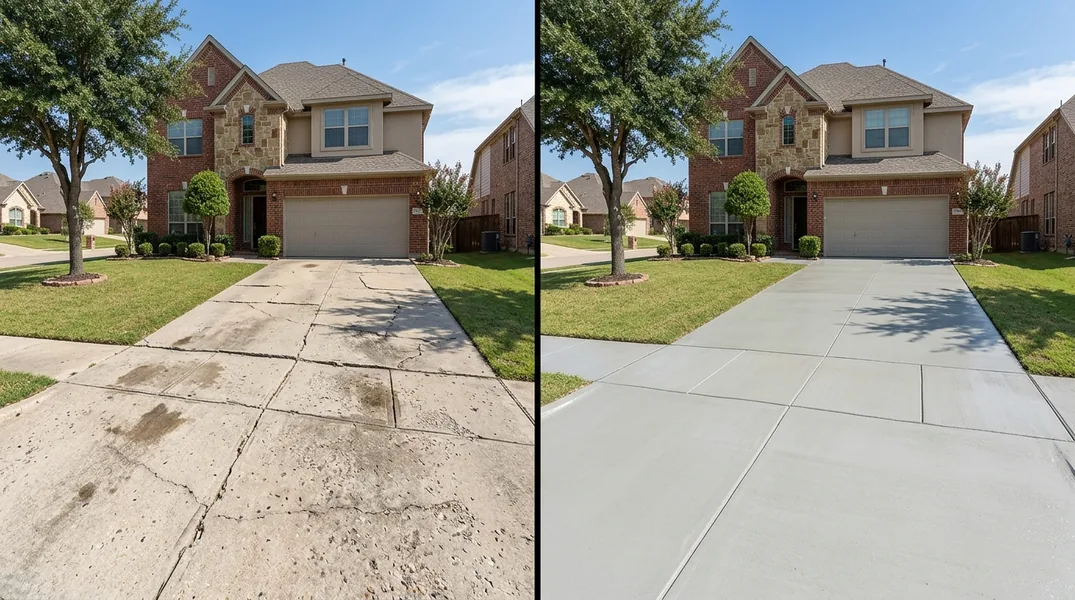
Understanding Concrete Pouring Season in Frisco
If you're planning a Concrete Driveways project or any concrete work in Frisco, timing is everything. Concrete is a material that depends heavily on environmental conditions to cure properly. Temperature, humidity, and moisture levels all play critical roles in how your concrete sets and performs over time. Understanding when to pour concrete in Texas isn't just about convenience; it directly affects the longevity and quality of your finished project.
The ideal concrete pouring season in Frisco typically falls between late spring and early fall, with specific windows that offer the best conditions. During these months, temperatures remain moderate, humidity levels are more stable, and weather patterns are generally more predictable. This contrasts sharply with winter months, when cold temperatures slow curing, and summer months, when extreme heat can cause rapid evaporation and cracking. Working with an experienced Frisco concrete contractor who understands these seasonal nuances ensures your project gets the attention and conditions it deserves.
Spring: The Prime Window for Concrete Work
Spring, particularly April through May, represents one of the best times to schedule concrete work in Texas. During these months, daytime temperatures typically range from the mid-70s to low 80s Fahrenheit, which is ideal for concrete curing. The soil is warming up after winter, and rainfall is more frequent, which helps maintain the moisture content necessary for proper hydration of the concrete mix. Spring weather also tends to be more stable, reducing the risk of sudden temperature swings that can stress freshly poured concrete.
When you pour concrete in spring, you benefit from gradual curing conditions that allow the concrete to develop strength evenly. The moderate temperatures mean the concrete won't cure too quickly on the surface while remaining soft underneath, a common problem during Texas summers. If you're considering Concrete Patios or other decorative concrete projects, spring offers the stability needed for detailed work. The longer daylight hours also give contractors more working time, which can help keep your project on schedule. This is an excellent time to contact Frisco Concrete at (469) 473-3854 to discuss your spring concrete project and secure your spot on the schedule.
Summer Challenges: Concrete Curing in Extreme Heat
Summer in Texas brings intense heat and humidity, and while many homeowners assume this is ideal for concrete work, the reality is more complicated. Frisco summers regularly exceed 95 degrees Fahrenheit, and concrete curing extreme heat creates several challenges for contractors and homeowners alike. When temperatures rise too quickly, the surface of the concrete can cure faster than the interior, leading to stress, shrinkage cracks, and uneven strength development. The rapid evaporation of water from the concrete mix is one of the most significant problems, as proper hydration is essential for concrete to reach its full strength potential.
If you must pour concrete during summer months, special precautions become necessary. Contractors need to use cooling techniques, apply curing compounds, and maintain consistent moisture through careful watering schedules. The cost and complexity of summer concrete work typically increase, which can affect your overall project budget. Additionally, extreme heat can make it uncomfortable and unsafe for workers to spend extended hours on outdoor projects. If you're considering summer concrete work for Stamped & Decorative Concrete or other specialized finishes, waiting until fall might be the wiser choice. For detailed guidance on whether your project can proceed during summer, reach out to Frisco Concrete for a free estimate and professional consultation.
Fall: The Second-Best Season for Concrete Projects
Fall, spanning September through October, offers another excellent window for concrete work in Texas. As summer heat subsides, temperatures begin to moderate, typically ranging from the 70s to low 80s. The intense UV radiation and extreme heat of summer diminish, allowing concrete to cure at a more controlled rate. Fall weather also tends to bring occasional rain, which helps maintain the moisture balance needed for proper concrete hydration. If you missed the spring window, fall provides a second opportunity to schedule your project under favorable conditions.
One advantage of fall concrete work is that homeowners can enjoy their finished projects well into the cooler months. If you're planning Concrete Repair & Resurfacing work or a new driveway installation, fall completion means you won't have to wait through another hot summer to use your outdoor space. The cooler temperatures also mean less stress on the concrete during the critical early curing phase. However, as you move into late October and November, you'll want to monitor weather forecasts for unexpected cold snaps or frost, which can be problematic for freshly poured concrete. Planning your fall project for early to mid-fall gives you the best balance of favorable conditions and weather predictability.
Winter and Early Spring: Timing Considerations
Winter in Texas is milder than in northern states, but it still presents challenges for concrete curing. Frisco winters see temperatures that can dip into the 30s and 40s Fahrenheit, which significantly slows concrete hydration and strength development. When concrete cures in cold temperatures, it takes much longer to reach usable strength, and the risk of freeze-thaw damage increases. If temperatures drop below 50 degrees Fahrenheit during the curing process, special measures like heated coverings and additives become necessary, adding cost and complexity to your project.
Late winter and early spring, particularly February through March, can be unpredictable in Texas. Sudden temperature changes, unexpected freezes, and variable moisture levels make these months less ideal than mid-spring. If you're planning a concrete project and winter is your only option, discuss cold-weather concrete techniques with your contractor. They can recommend additives and procedures to ensure proper curing despite the cold. Most homeowners and contractors find that waiting until April provides better results and fewer complications, making it worth the short delay to ensure your concrete project starts under optimal conditions.
Planning Your Concrete Project: When to Call a Professional
Choosing the right time to pour concrete depends on your specific project, local weather patterns, and your contractor's expertise. Whether you're planning a new driveway, patio, or decorative concrete feature, scheduling during the ideal season improves outcomes and often reduces overall costs. The best Frisco concrete contractors understand the nuances of local weather and can advise you on the optimal timing for your particular project. They'll consider factors like ground temperature, humidity levels, and seasonal rainfall when planning your work.
If you're ready to move forward with your concrete project, don't wait until the last minute to schedule. Spring and fall slots fill up quickly as homeowners recognize the advantages of these seasons. Contact Frisco Concrete today at (469) 473-3854 to discuss your project timeline and get a free estimate. Our experienced team can help you understand the best timing for your specific needs, whether you're planning a simple driveway or a complex decorative concrete installation. We're here to ensure your concrete work is completed under the best possible conditions for lasting quality and durability.
Looking for a professional tree service in Frisco? Frisco Concrete responds fast for all your concrete needs.
Get a Free QuoteOur services: Concrete Driveways · Concrete Patios · Stamped & Decorative Concrete